
Image: from CNBC-TV18 X @CNBCTV18Live
By Open Chronicle Staff | Tuesday, March 10, 2026
ISLAMABAD / NEW DELHI — The ripples of the 11-day-old war between the U.S.–Israeli coalition and Iran have reached a breaking point in South Asia. On Monday, Pakistan and India launched sweeping emergency measures to counter a burgeoning energy crisis fueled by the near-total closure of the Strait of Hormuz.
The strategic waterway, which typically handles 20% of global daily oil supply and 25% of the world’s liquefied natural gas (LNG), has been effectively paralyzed since March 1, sending Brent crude prices skyrocketing past $126 per barrel at their peak.
🇵🇰 Pakistan is in extreme oil crisis
Shehbaz Sharif announces –
• Schools shut for 2 weeks
• 60% govt vehicles off roads
• Fuel allowance cut by 50%
• 50% staff to work from home
• Govt offices move to 4-day week
• 20% cut in public spending pic.twitter.com/cGx432pDE3— Ajay Kashyap (@EverythingAjay) March 10, 2026
Pakistan: Remote Work and National Sacrifice
Prime Minister Shehbaz Sharif, in a somber national address, ordered a transition to a wartime energy economy. Citing the need to conserve dwindling fuel reserves, Sharif announced:
-
Remote Work: 50% of the public sector (excluding essential services) will move to home-based work.
-
School Closures: All schools will close for two weeks starting later this week, with universities shifting to 100% online learning.
-
Austerity at the Top: Federal cabinet members will forgo their salaries, and parliamentarians’ pay will be cut by 25%
-
Fleet Reduction: 60% of government vehicles have been ordered off the road, and fuel allowances for remaining official cars were cut by 50%.
India: Prioritizing the Domestic Kitchen
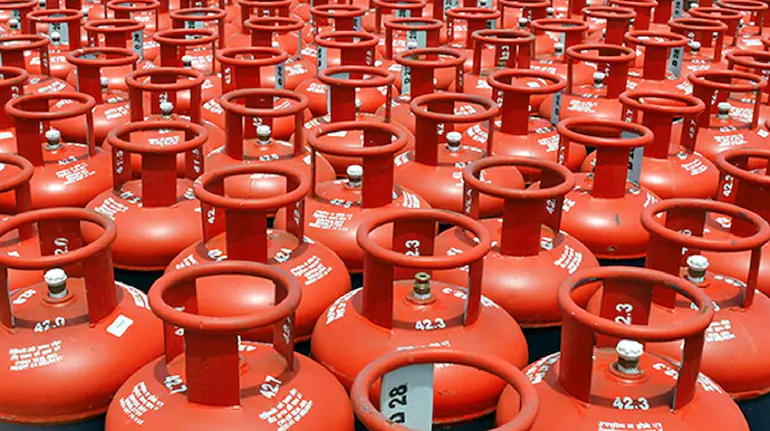
In neighboring India, the Ministry of Petroleum and Natural Gas has invoked emergency powers, ordering refineries to maximize Liquefied Petroleum Gas (LPG) production at the expense of petrochemical exports.
-
Household Priority: Indian authorities have introduced a 25-day inter-booking period for gas cylinders to prevent hoarding.
-
Sector Rationing: Domestic LPG is being redirected from industrial use to households and essential services like hospitals.
-
Economic Vulnerability: Analysts warn that India, which imports nearly 90% of its LPG from the Middle East, is facing its most significant energy security threat in decades.
Security Alert: Protests Erupt in Islamabad
Beyond energy, the human toll of the conflict is fueling civil unrest. The U.S. Embassy in Islamabad issued a high-level security alert on Monday, restricting all personnel movement starting at 12:00 PM local time today.
-
Religious Processions: Large-scale protests and religious processions are expected following the killing of Supreme Leader Ali Khamenei.
-
Violent Clashes: Reports from Karachi and Gilgit-Baltistan indicate that at least 17 people have been killed in clashes between security forces and protesters over the past week.
-
UN Offices Targeted: Protesters in Skardu and Gilgit reportedly torched local UN and government buildings, prompting a heightened military presence across urban centers.
The “Hormuz Chokehold”
The regional crisis is exacerbated by the virtual cessation of traffic through the Strait of Hormuz. With major carriers like Maersk and Hapag-Lloyd suspending transits and QatarEnergy declaring force majeure on gas contracts after strikes on its infrastructure, the energy-dependent economies of South Asia are being forced to look elsewhere. Pakistan has reportedly requested Saudi Arabia to reroute emergency oil supplies via the Red Sea port of Yanbu to bypass the blockade.