
Image: from 24hr Geopolitics X @24hrGeopolitics
Open Chronicle | Europe & International Law
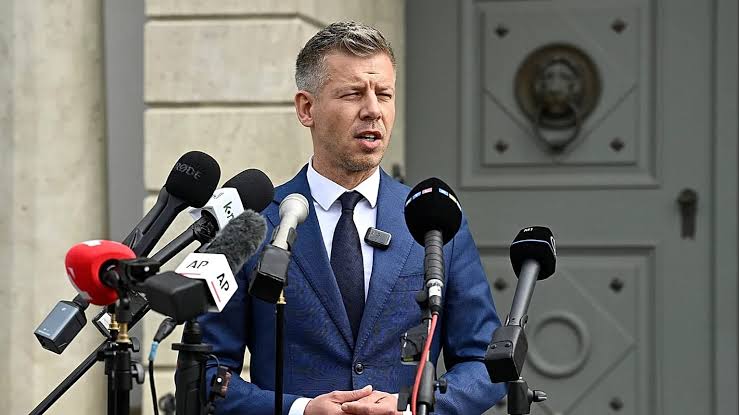
Hungary could be drawn into a major legal and diplomatic confrontation if Israeli Prime Minister Benjamin Netanyahu proceeds with a planned visit later this year, after Prime Minister-elect Péter Magyar said that Budapest would be obliged to arrest him under international law.
The statement comes in response to an arrest warrant issued in November 2024 by the International Criminal Court, which accuses Netanyahu of war crimes and crimes against humanity. As a member of the ICC, Hungary is, in principle, required to detain individuals subject to such warrants if they enter its territory.
Shift from Orbán-era policy
Hungary’s stance marks a potential reversal from the position taken under former Prime Minister Viktor Orbán, a close ally of Netanyahu. During a visit to Budapest in April 2025, Hungarian authorities declined to act on the ICC warrant, effectively granting the Israeli leader immunity.
At the time, Orbán announced Hungary’s intention to withdraw from the ICC, a process that formally takes one year to complete after notification to the United Nations. That move allowed his government to argue it was no longer bound by the court’s obligations.
Magyar, however, has pledged to halt that withdrawal before it takes effect, signaling a return to full compliance with the court’s statutes. He has stated that Hungary intends to remain within the ICC framework and uphold its legal commitments.
🇭🇺🇮🇱 Péter Magyar says Hungary would arrest Benjamin Netanyahu if he enters the country under a Tisza government.
“I made it clear to the Israeli Prime Minister — we will not back down,” Magyar said.
He confirmed Hungary would remain a member of the International Criminal… pic.twitter.com/qLQwh63I5W
— Europa.com (@europa) April 20, 2026
Legal obligations versus political realities
Magyar was explicit about the implications. If Hungary remains a member of the International Criminal Court and Netanyahu enters the country, authorities would be required to take him into custody.
The situation highlights a broader divide among European nations over how to interpret ICC obligations. While membership generally entails cooperation with arrest warrants, some countries have argued that other international commitments may take precedence.
For example, France has suggested that detaining a sitting head of government could conflict with diplomatic immunity agreements. Article 98 of the ICC statute provides some legal basis for this argument, allowing states to avoid actions that would violate other international obligations.
Similarly, Germany and Italy have indicated reluctance to enforce the warrant, citing political and legal complexities.
A test for international justice
Netanyahu’s potential visit to Hungary is shaping up to be a significant test of the ICC’s authority and the willingness of member states to enforce its decisions.
For Hungary, the issue carries both legal and political weight. Complying with the warrant could strain relations with Israel, while failing to do so could undermine its credibility within the international legal system.
Magyar has indicated that his government intends to prioritize adherence to international law, even if it leads to difficult diplomatic consequences.
As the visit approaches, the question remains whether Hungary will follow through on its stated position or whether political realities will once again complicate the enforcement of international justice.