
Image: from Current Report X@Currentreport1
By Open Chronicle Health Desk
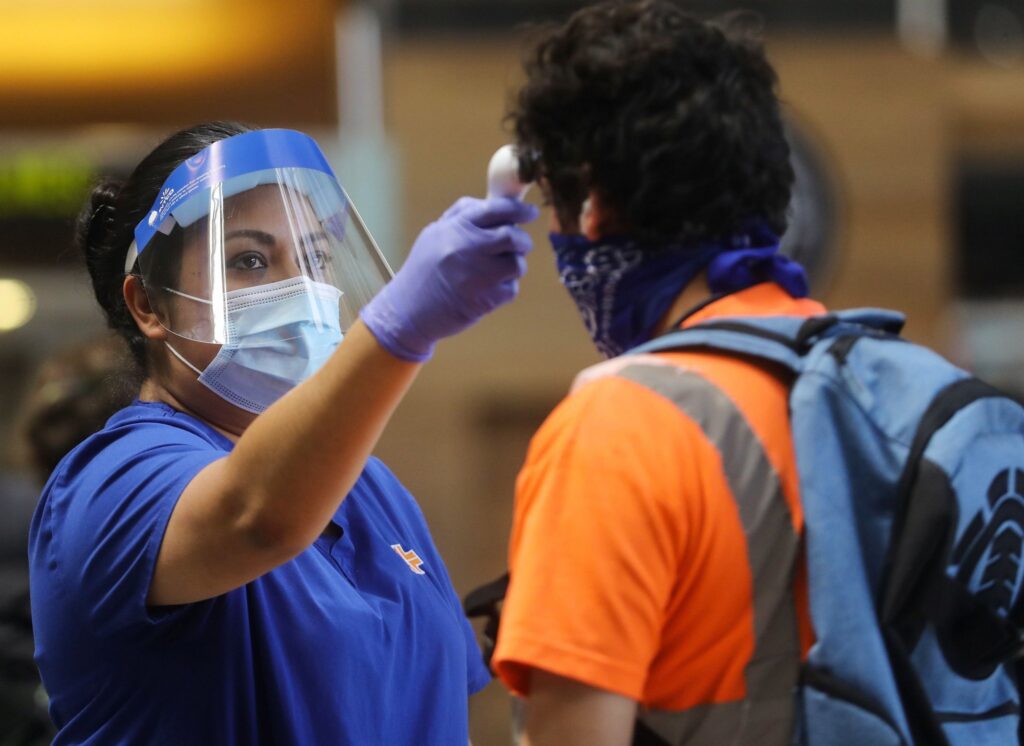
BANGKOK/SINGAPORE — Major aviation hubs across Southeast Asia have begun implementing thermal screenings and health questionnaires for travelers arriving from India, following a deadly outbreak of the Nipah virus in the southern state of Kerala.
The move, reported by the BBC and other international outlets on Tuesday, January 27, 2026, comes as regional governments scramble to prevent a cross-border spillover of the virus, which boasts a staggering fatality rate of up to 75%.
Shut down all travel from India. We aren't doing this again.
A new deadly respiratory virus "zoonotic" outbreak began Friday only found in India, has no treatment or cure.
'The Thai Ministry of Public Health on Sunday began screening air passengers arriving from India for… pic.twitter.com/IwWRl5TZXI
— The Constitutionalist 🇺🇸 (@WeWillBeFree24) January 26, 2026
Heightened Airport Security
Countries including Thailand, Singapore, Malaysia, and Vietnam have intensified surveillance at international arrival gates.
-
Thermal Scanners: Passengers arriving from Indian airports are being routed through dedicated lanes equipped with advanced thermal imaging to detect fevers—one of the earliest symptoms of Nipah.
-
Mandatory Declarations: Travelers must now complete digital or physical health declaration forms detailing any contact with livestock or fruit bats, the primary natural reservoirs of the virus.
-
Quarantine Protocols: Authorities in Singapore have already designated isolation facilities for any “symptomatic” travelers, while Malaysia has suspended some direct freight shipments of fresh produce from southern India as a precautionary measure.
Airports across Asia are now taking measures to screen for #NipahVirus These measures follow a worrying outbreak in West Bengal, India.
To know more about screening protocols for Nipah Virus, click here: https://t.co/jSIt5LKgzB#Nipah #HealthAlert pic.twitter.com/RCgKBWE8af
— DoctorNDTV (@ndtv_doctor) January 27, 2026
The Situation in India
The outbreak, centered in Kerala’s Kozhikode district, has officially claimed three lives as of Monday, with dozens more under observation. The Indian government has declared several “containment zones” and restricted public gatherings in the affected regions.
The timing of the outbreak is particularly sensitive as India celebrates the signing of its “mother of all deals”—a massive Free Trade Agreement with the European Union. Global health experts are concerned that increased trade and movement of people could complicate containment efforts if the virus spreads beyond Kerala’s borders.
Scientific Concern
The Nipah virus is classified by the World Health Organization (WHO) as a priority pathogen due to its potential to trigger an epidemic. Unlike COVID-19, Nipah is not typically transmitted through the air but rather through direct contact with infected animals (bats or pigs) or contaminated food. However, human-to-human transmission has been documented in past outbreaks, leading to intense international scrutiny of the current cluster.