
Image: from Global Insight Journal X @GlobalIJournal
By Harrison Vane | Open Chronicle International Correspondent
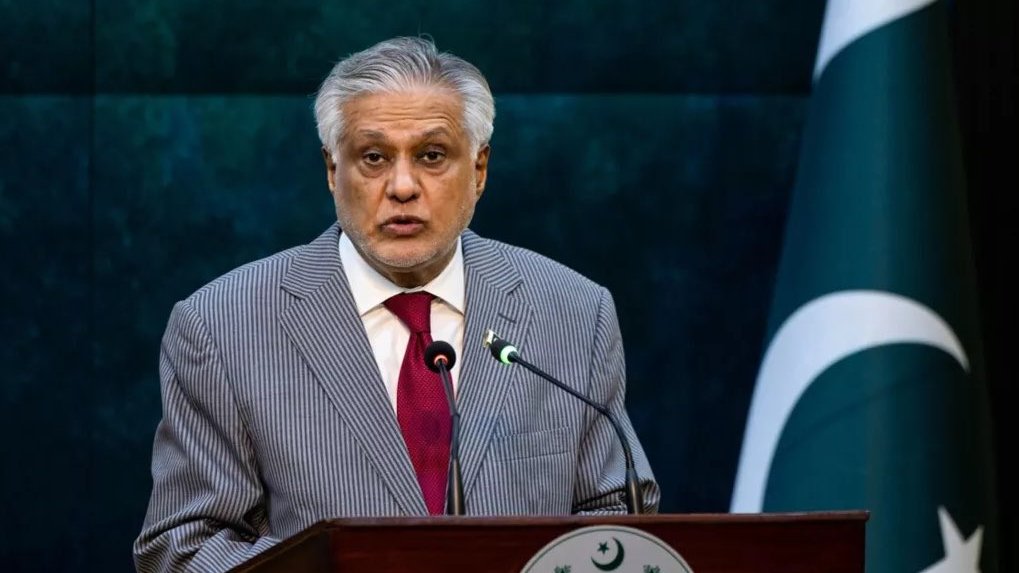
ISLAMABAD — In a dramatic diplomatic gambit aimed at halting the most significant military conflict in the modern Middle East, Pakistani Prime Minister Shehbaz Sharif on Tuesday officially offered to host direct peace negotiations between the United States and Iran. The announcement, shared via the social media platform X, comes as the war enters its fourth week following the February 28 assassination of Supreme Leader Ayatollah Ali Khamenei during coordinated U.S.-Israeli strikes.
“Subject to concurrence by the US and Iran, Pakistan stands ready and honoured to be the host to facilitate meaningful and conclusive talks for a comprehensive settlement,” Sharif stated. The move follows a high-stakes phone call on Sunday between U.S. President Donald Trump and Pakistan’s army chief, Field Marshal Asim Munir, whom Trump has recently referred to as his “favourite field marshal.”
UPDATE: 🇵🇰🇺🇸 Pakistan’s Prime Minister Shehbaz Sharif says his country stands ready to host U.S. – Iran talks aimed at ending the war in the Middle East, offering Islamabad as a venue to facilitate peace negotiations.pic.twitter.com/VfcpBvCCIH
— Donald J Trump Posts TruthSocial (@TruthTrumpPost) March 24, 2026
A Five-Day Window of Hope
The offer comes at a pivotal moment. On Monday, President Trump announced a five-day postponement of planned strikes on Iran’s power grid, citing “productive” backchannel conversations. While the White House has declined to negotiate through the media, Trump signaled his approval of the Pakistani venue by reposting Sharif’s invitation on Truth Social within an hour of its publication.
The proposed summit in Islamabad could reportedly involve a high-level U.S. delegation including Vice President JD Vance, Special Envoy Steve Witkoff, and Jared Kushner. On the Iranian side, reports identify Parliament Speaker Mohammad Baqer Ghalibaf as the primary interlocutor, though Ghalibaf himself has publicly dismissed the reports of direct talks as “fake news” intended to manipulate oil markets.
The Economic Imperative
Pakistan’s push for mediation is driven by dire domestic necessity. As a major importer of energy via the now-blocked Strait of Hormuz, Pakistan is reeling from the “worst energy supply shock in history.” With Brent crude soaring as high as $114 per barrel, the Pakistani economy, already fragile before the conflict, faces systemic collapse if the blockade continues.
“Pakistan is positioning itself as a bridge because it is one of the few nations with active military-to-military ties with Washington and a non-hostile relationship with Tehran,” said a regional analyst. “Unlike some Gulf allies, Pakistan has avoided direct Iranian retaliation, making Islamabad a uniquely neutral ground for these high-stakes meetings.”
A Fractured Reality on the Ground
Despite the diplomatic flurry, the conflict remains white-hot. Iranian missiles targeted Tel Aviv and Haifa on Tuesday, while Israeli jets continued to strike Intelligence Ministry sites deep inside Iran. In Tehran, the Islamic Revolutionary Guard Corps (IRGC) appears to have consolidated power under the new Supreme Leader, Ayatollah Mojtaba Khamenei, maintaining a defiant stance that demands significant U.S. concessions before any formal ceasefire.
The international community remains divided on the prospects of the “Islamabad Initiative.” While traditional mediators like Oman and Qatar have expressed support for all diplomatic channels, European allies like Germany have criticized the war as a “fateful political mistake.”
If the parties agree, the first face-to-face meeting in Islamabad could occur as early as this weekend. For a world teetering on the edge of a global energy depression, the “big if” of the Islamabad talks represents the only visible off-ramp from a catastrophic escalation.