
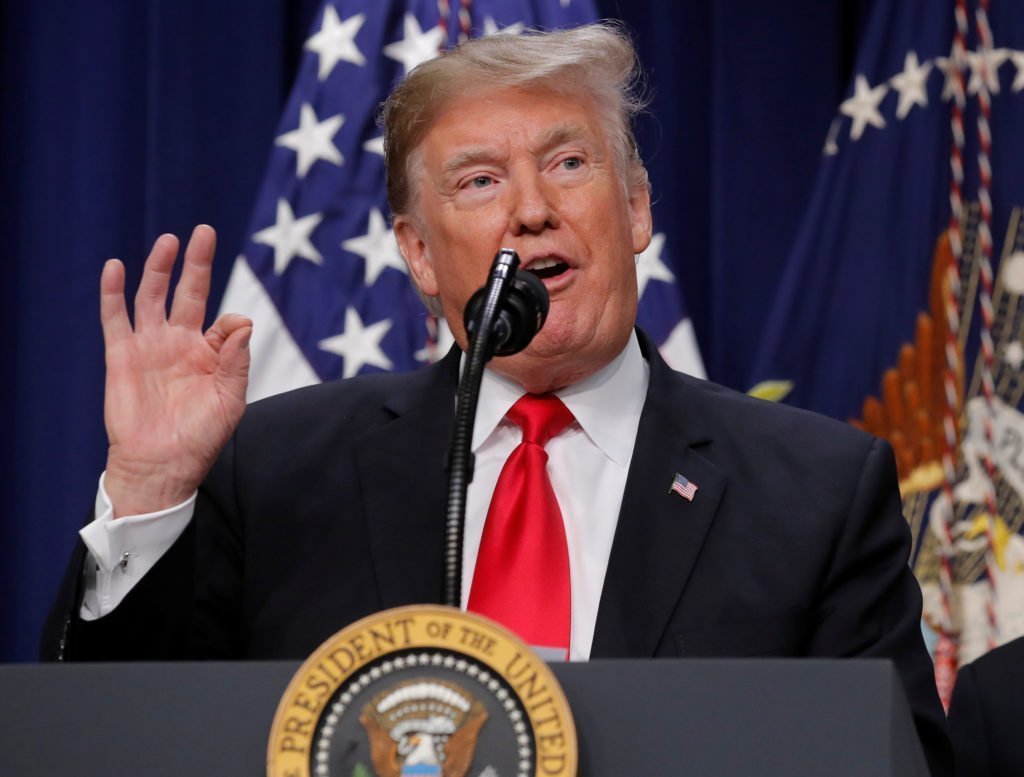
Image: from Bitcoin PulseX X @BitcoinPulseX
By Open Chronicle Staff with Agencies
NEW YORK/TEHRAN — Global oil prices surged on Tuesday as the world braced for a midnight showdown between Washington and Tehran. With a final U.S. deadline set for 8:00 PM EDT (00:00 GMT Wednesday), President Donald Trump has warned that failure to reach a ceasefire and reopen the Strait of Hormuz will trigger a “total decimation” of Iran’s civilian infrastructure.
The tension has sent shockwaves through energy markets, with Brent crude futures climbing 1.5% to $111.40 per barrel, while West Texas Intermediate (WTI) jumped 2.7% to $115.30—marking some of the highest levels in nearly four years.
“One Night”: The Final Warning
In a defiant White House press conference on Monday, President Trump escalated his rhetoric, claiming the U.S. military is prepared to achieve “complete demolition” of Iran’s power grids and bridges in a matter of hours.
“The entire country could be taken out in one night, and that night might be tomorrow [Tuesday] night,” Trump told reporters, dismissing concerns from legal experts that targeting civilian infrastructure could constitute war crimes. “I want to be a nice person, but they have to open that Strait. If not, they’ll be living in hell.”
The ultimatum follows Iran’s rejection of a Pakistani-brokered 45-day ceasefire. Tehran has reportedly stood firm, demanding a permanent end to Operation Epic Fury and legal guarantees against future U.S. and Israeli strikes before it restores shipping access to the Strait of Hormuz, which handles 20% of global oil flows.
Israel Issues “Urgent Warning” to Iranian Civilians
Coinciding with the U.S. deadline, the Israeli Defense Forces (IDF) issued a rare, direct warning to the Iranian public in Farsi. The military advised citizens across the country to avoid all train travel and stay away from railway lines until at least 9:00 PM local time on Tuesday.
“Your presence on trains and near railway lines puts your lives at risk,” stated Lt. Col. Kamal Penhasi, the IDF’s Farsi-language spokesman. Analysts suggest the warning indicates that rail networks—key for both civilian transport and military logistics—are high on the target list for the expected wave of precision strikes.
Human Chains and Defiance
In Tehran, the mood is one of grim preparation. State media reports that thousands of youths have volunteered to form “human chains” around major power plants and water treatment facilities in hopes of deterring airstrikes.
Iranian President Masoud Pezeshkian claimed on Tuesday that 14 million citizens have volunteered for the war effort, though international observers view the figure as an attempt to project national unity in the face of what may be the largest aerial bombardment in the history of the Middle East.
Economic Fallout and Regional Escalation
As the clock ticks toward the 8:00 PM deadline, the conflict continues to bleed across borders:
-
Syria: Israeli jets reportedly intercepted a barrage of Iranian missiles over Damascus on Tuesday morning.
-
Saudi Arabia: The Kingdom’s defense ministry confirmed the destruction of seven ballistic missiles fired toward its Eastern Region, with debris falling near critical energy facilities.
-
Global Shipping: With the Strait of Hormuz effectively closed, refiners in Europe and Asia are scrambling for alternative supplies, further driving up spot premiums for U.S. crude.
The United Nations Security Council is scheduled to vote on a resolution later today aimed at protecting commercial shipping, though diplomats say the proposal has been significantly weakened by a Chinese veto threat regarding the use of force.