
Image: from ARISE NEWS X @ARISEtv
By Open Chronicle Staff with Agencies
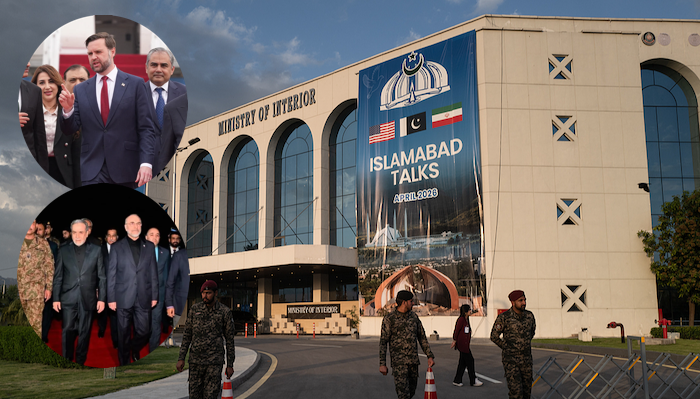
ISLAMABAD — Hopes for a diplomatic resolution to the six-week-old war dimmed significantly on Sunday as face-to-face negotiations between the United States and Iran ended without an agreement. The collapse of the talks leaves the current 14-day ceasefire in extreme peril, with both nations trading blame for the deadlock while the April 22 expiration date looms.
Talks in Islamabad have failed. No deal, no roadmap, no next round. The ceasefire hangs by a thread. If Iran rejects the U.S. “final offer,” as Trump has already warned, he won’t be nice next time. pic.twitter.com/gApz7Q9zze
— Habib Khan (@HabibKhanT) April 12, 2026
The Nuclear Impasse
The primary friction point centered on Iran’s nuclear ambitions. U.S. Vice President JD Vance, emerging from 21 hours of grueling discussions, characterized the American position as a “take-it-or-leave-it” demand for the total dismantling of Tehran’s nuclear infrastructure.
“We need to see an affirmative commitment that they will not seek a nuclear weapon, and they will not seek the tools that would enable them to quickly achieve a nuclear weapon,” Vance stated.
In contrast, Iranian Parliament Speaker Mohammad Bagher Qalibaf accused the U.S. of “overreach,” suggesting the breakdown occurred over two or three key issues that compromised Iranian sovereignty. While Tehran continues to deny seeking a nuclear bomb, experts warn that its enriched uranium stockpile is now only a “short technical step” away from weapons-grade.
Tactical Leverage: The Strait of Hormuz
While diplomacy faltered in Islamabad, the status of the Strait of Hormuz remains the war’s most volatile flashpoint. Iran’s effective blockade of the waterway has paralyzed 20% of the world’s oil trade, providing Tehran with its most potent strategic lever.
-
U.S. Maneuvers: President Donald Trump signaled a shift toward military enforcement, stating the U.S. Navy has begun mine-sweeping operations regardless of the diplomatic outcome. “Whether we make a deal or not makes no difference to me,” Trump declared early Sunday.
-
Conflicting Reports: The U.S. military claimed two destroyers successfully transited the strait for the first time since the war began on February 28; however, Iranian state media explicitly denied that any American vessels had breached the waterway.
The Human and Economic Toll
Since the outbreak of hostilities on February 28, the conflict has reshaped the region’s geography and the global economy.
Reported Casualties to Date (April 12, 2026):
-
Iran: 3,000+
-
Lebanon: 2,020
-
Israel: 23
-
Gulf Arab States: 12+
Israel Intensifies Lebanon Campaign
The “fragile” nature of the ceasefire was underscored by ongoing violence in Lebanon. Israel has maintained that the truce with Iran does not extend to its operations against Hezbollah.
On Sunday morning, an Israeli strike in the village of Maaroub killed six people. This follows a devastating bombardment of Beirut last week that killed over 300 people in a single day. Despite the violence, the Lebanese government is expected to begin separate negotiations with Israel in Washington this Tuesday—a move that sparked angry protests in the streets of Beirut.
What Happens on April 22?
As the 14-day ceasefire enters its final ten days, Pakistani Foreign Minister Ishaq Dar urged both sides to maintain the peace, offering to facilitate a new round of dialogue. However, with the U.S. demanding a nuclear rollback and Iran demanding war reparations and control over the Strait, the gap between the two powers appears as wide as it was on the first day of the war.