
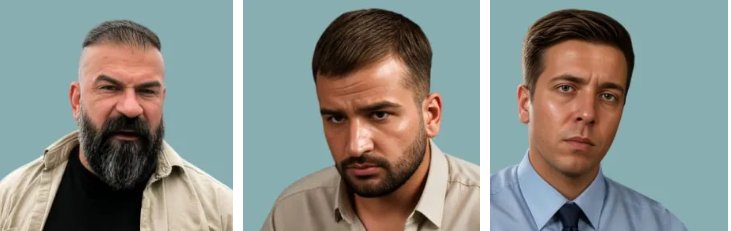
Image: from Babak Taghvaee – The Crisis Watch X @BabakTaghvaee1
By Open Chronicle with Agencies
Authorities in Iran have executed three men convicted of involvement in anti-government protests that shook the country late last year, marking a further escalation in a widening crackdown on dissent.
According to the judiciary’s official outlet, Mizan Online, the men, identified as Mehdi Rassouli, Mohammad Reza Miri, and Ebrahim Dolatabadi, were hanged after their sentences were upheld by the Supreme Court. The executions were linked to unrest in the northeastern city of Mashhad.
Authorities accused Rassouli and Miri of acting as agents for Mossad and participating in violent acts during the January protests, including attacks using Molotov cocktails and bladed weapons. They were also charged with involvement in the killing of a security officer. Dolatabadi was described as a key instigator in the same unrest, which officials say resulted in multiple deaths among security forces.
The executions come amid a broader surge in arrests and capital punishments tied to protests that began over rising living costs in December and intensified into nationwide unrest. Iranian authorities have characterized the demonstrations as riots fueled by foreign interference, particularly blaming the United States and Israel.
Human rights organizations, however, have raised serious concerns about the judicial process. The Center for Human Rights in Iran said that many individuals detained during the protests have faced expedited trials lacking due process, including limited access to legal counsel and allegations of forced confessions obtained under torture.
The latest executions follow a pattern of increasing use of the death penalty in Iran. According to international rights groups, the country remains one of the world’s leading executioners. Reports from Iran Human Rights and Together Against the Death Penalty estimate that at least 1,639 people were executed in 2025, including dozens of women.
Earlier this year, Iran also carried out executions linked to previous waves of unrest, including protests sparked by the death of Mahsa Amini in 2022. In one recent case, a man was executed over a killing during those demonstrations.
The government has acknowledged thousands of deaths during recent protests but maintains that the violence was driven by what it calls “terrorist acts” backed by foreign powers.
As tensions persist both domestically and regionally, the latest executions are likely to draw further international scrutiny and deepen concerns over human rights conditions in the country.