
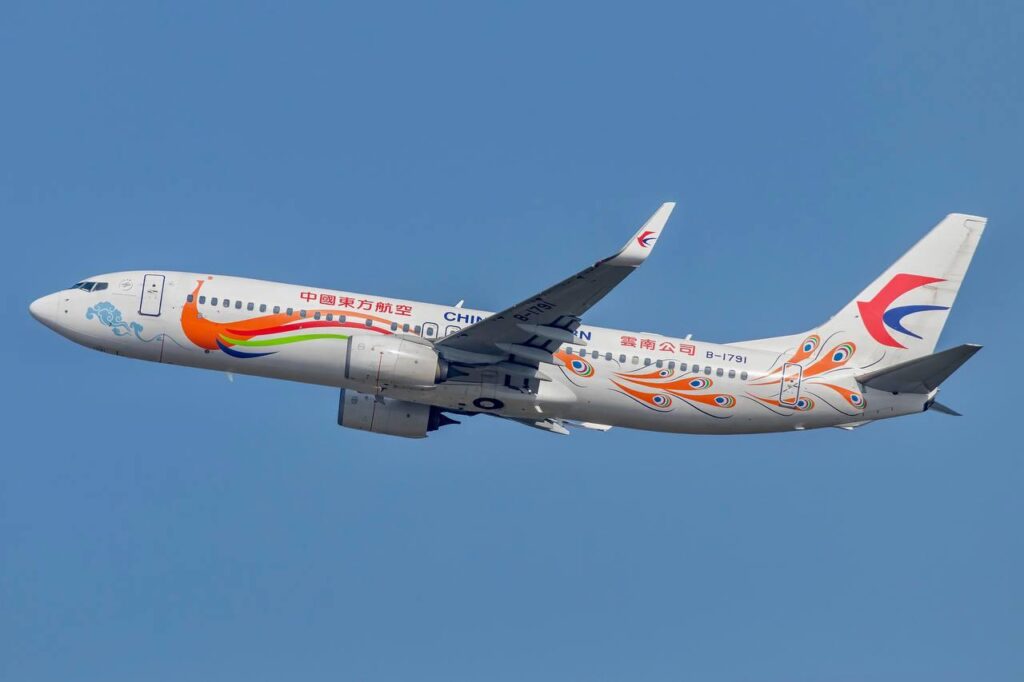
Image: from Fahad Naim X @Fahadnaimb
By Open Chronicle with Agencies
More than four years after the crash of China Eastern Airlines flight MU5735, newly released flight data has intensified debate over whether the disaster may have been caused by deliberate human action inside the cockpit.
The aircraft, a Boeing 737-800, plunged from cruising altitude and crashed into mountainous terrain in southern China in March 2022, killing all 132 people on board. It remains the deadliest aviation disaster in the country in decades.
4年前那场空难,很多人以为已经有答案了
但其实——并没有
China Eastern Airlines Flight 5735
132人全部遇难
黑匣子也找到了但最后那几分钟发生了什么
到现在还是个谜👉飞机突然高速俯冲
👉姿态严重失控到底是故障,还是人为?
你觉得呢?#空难 #未解之谜 pic.twitter.com/RPbba7GJTa
— 链上观察 (@ChainWatch2) May 4, 2026
Data released by the National Transportation Safety Board shows that both engine fuel switches were moved from the “run” position to “cutoff” while the aircraft was flying at around 29,000 feet. This action would have cut fuel supply to the engines, causing a rapid loss of thrust.
According to the report, the switches must be physically lifted before being moved, indicating deliberate manual input. The data further shows that the switches were not returned to their original position, suggesting no attempt was made to restart the engines during the aircraft’s descent.
The information was recovered from the plane’s flight data recorder, one of two “black boxes” retrieved from the crash site and analyzed in Washington. The recorder stopped capturing data as the aircraft lost power at around 26,000 feet, leaving the final moments partially undocumented.
Audio from the cockpit voice recorder was also recovered, though only limited recordings were shared with Chinese authorities. The Civil Aviation Administration of China has not publicly released full details from the cockpit audio.
Aviation experts say the sequence of events raises serious questions. While the data suggests that the engines were shut down manually, analysts caution that it does not definitively establish intent or identify who may have operated the controls.
Previous reporting had already pointed toward the possibility of deliberate action. Early assessments cited by international media suggested that inputs from inside the cockpit directed the aircraft into its steep descent. At the time, investigators considered scenarios involving pilot actions or unauthorized access to the cockpit.
Chinese authorities have consistently denied that the crash was intentional. In earlier statements, the CAAC said there were no mechanical issues with the aircraft, no signs of dangerous weather, and no abnormalities in communications before the incident. The crew was also reported to have been properly licensed, rested, and medically fit.
Despite the passage of time, a final public report on the crash has yet to be released, drawing criticism and fueling speculation. Questions remain about why key data from the black boxes has not been fully disclosed.
The flight had been traveling from Kunming to Guangzhou when it lost contact with air traffic control before crashing near Wuzhou.
As investigators continue to examine the available evidence, the tragedy of flight MU5735 remains unresolved, with the latest data adding complexity but not closure to one of aviation’s most puzzling disasters in recent years.